.png)
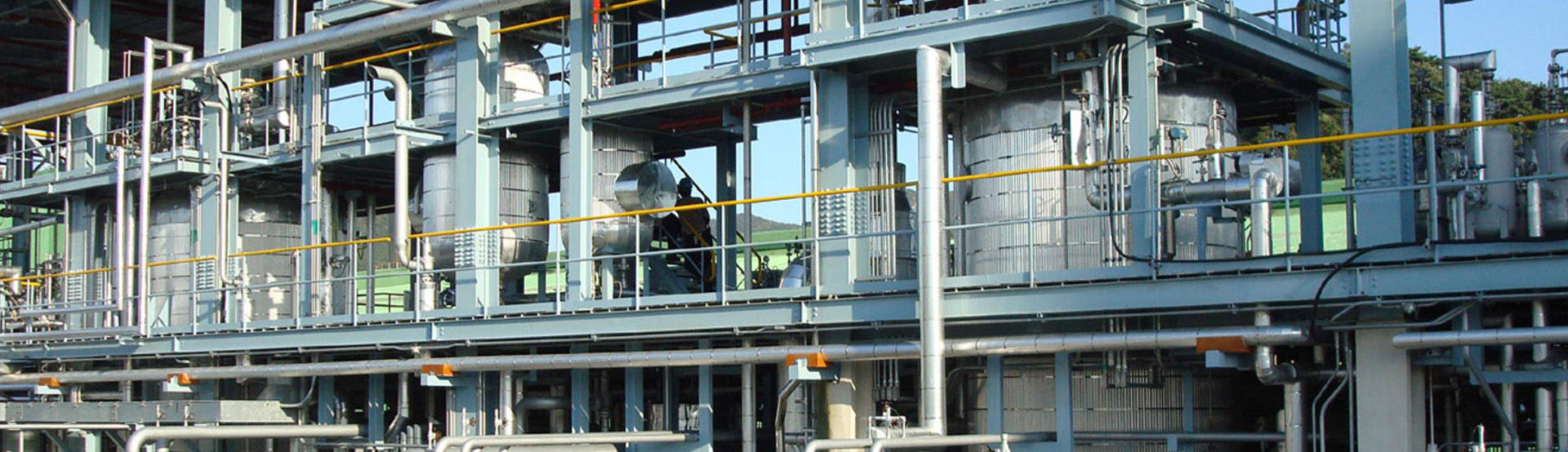
Stainless Steel Horizontal Reactor Vessel
.jpg "卧式反应釜(1).jpg")
A high pressure reactor is a sealed pressure vessel designed to carry out chemical reactions under elevated pressure and often elevated temperature conditions. It is widely used in chemical, pharmaceutical, petrochemical, hydrogenation, polymerization, catalyst research, and new material development processes.
Main Components
A typical high pressure reactor consists of:
Pressure vessel (reactor body) – withstands high internal pressure.
Agitation system – provides uniform mixing of reactants.
Heating/Cooling system – electric heating, thermal oil, steam, or cooling water.
Sealing system – mechanical seal or magnetic drive seal to prevent leakage.
Pressure and temperature instruments – monitor reaction conditions.
Safety devices – rupture discs, safety valves, pressure relief systems.
Working Principle
Raw materials are charged into the reactor and then heated while being stirred. Pressure may be generated by:
Chemical reactions producing gases
Introducing gases such as hydrogen, nitrogen, carbon monoxide, or oxygen
Vaporization of volatile liquids at elevated temperatures
The reactor maintains a controlled environment where pressure, temperature, and mixing speed can be precisely regulated to achieve the desired reaction.
Tel: +86 139 6313 6952
Fax: +86-0631-5780299
E-mail: sales01@breactor.com
Whatsapp: +86 139 6313 6952
Add:Beiguan Industrial Area, Yangting, Weihai,264200,China


Copyright 2014-2024 WEIHAI BORUI CHEMICAL MACHINERY CO., LTD. All Rights Reserved.